
Why Small Businesses Are Prime Targets for Cyber Attacks
Table of contents
Introduction
Cybercrime is on the rise, and no organization is immune. While many assume that only large corporations are in the crosshairs of cybercriminals, reality tells a different story. In fact, small businesses are prime targets for cyber attacks because they often lack the robust defenses of bigger enterprises. Hackers view them as easier entry points into sensitive data, financial accounts, and even supply chains.
This article explores why small businesses are prime targets for cyber attacks, the common threats they face, and actionable steps to reduce risks.
Why Cybercriminals Target Small Businesses
Cyber attackers are strategic. They go after businesses that promise valuable returns with minimal resistance. Unfortunately, small businesses check many of those boxes.
- Weaker Security Infrastructure
Larger companies invest heavily in cybersecurity teams, firewalls, and monitoring systems. Small businesses, on the other hand, often rely on basic antivirus software or outdated security solutions. Hackers exploit these gaps to gain easy access. - Valuable Data at Stake
Even small firms handle sensitive data such as customer records, payment information, and employee details. This information can be sold on the dark web or used in identity theft schemes, making small businesses appealing targets. - Supply Chain Vulnerabilities
Many small businesses act as vendors or contractors for larger organizations. Hackers infiltrate these smaller networks to use them as backdoors into bigger enterprises. - Limited Cybersecurity Budgets
With tight budgets, small business owners often prioritize operational expenses over digital security. Cybercriminals are fully aware of this financial limitation. - Lower Awareness and Training
Employees at small businesses may not receive formal cybersecurity training. This makes them more vulnerable to phishing emails, malware downloads, and social engineering tactics.
Common Cyber Threats Facing Small Businesses
Understanding the specific dangers is the first step in building protection. Here are the most frequent attacks small businesses encounter:
- Phishing Scams
Hackers send fraudulent emails that appear legitimate, tricking employees into revealing passwords or clicking malicious links. - Ransomware Attacks
Cybercriminals lock a company’s systems or data and demand payment to release it. Small businesses often pay, fearing extended downtime. - Business Email Compromise (BEC)
Attackers impersonate executives or vendors to trick employees into transferring funds or sensitive data. - Malware Infections
Malicious software can enter through downloads, compromised websites, or unsecured networks, damaging systems and stealing data. - Insider Threats
Whether intentional or accidental, employees with access to critical systems may compromise data security.
Real Costs of Cyber Attacks on Small Businesses
The damage from cybercrime goes far beyond technical headaches. For small businesses, the consequences can be devastating:
- Financial Losses: Ransom payments, fraud, and recovery expenses can wipe out cash reserves.
- Downtime: Inaccessible systems disrupt operations, resulting in lost sales and productivity.
- Reputation Damage: Customers lose trust when a company cannot safeguard their personal information.
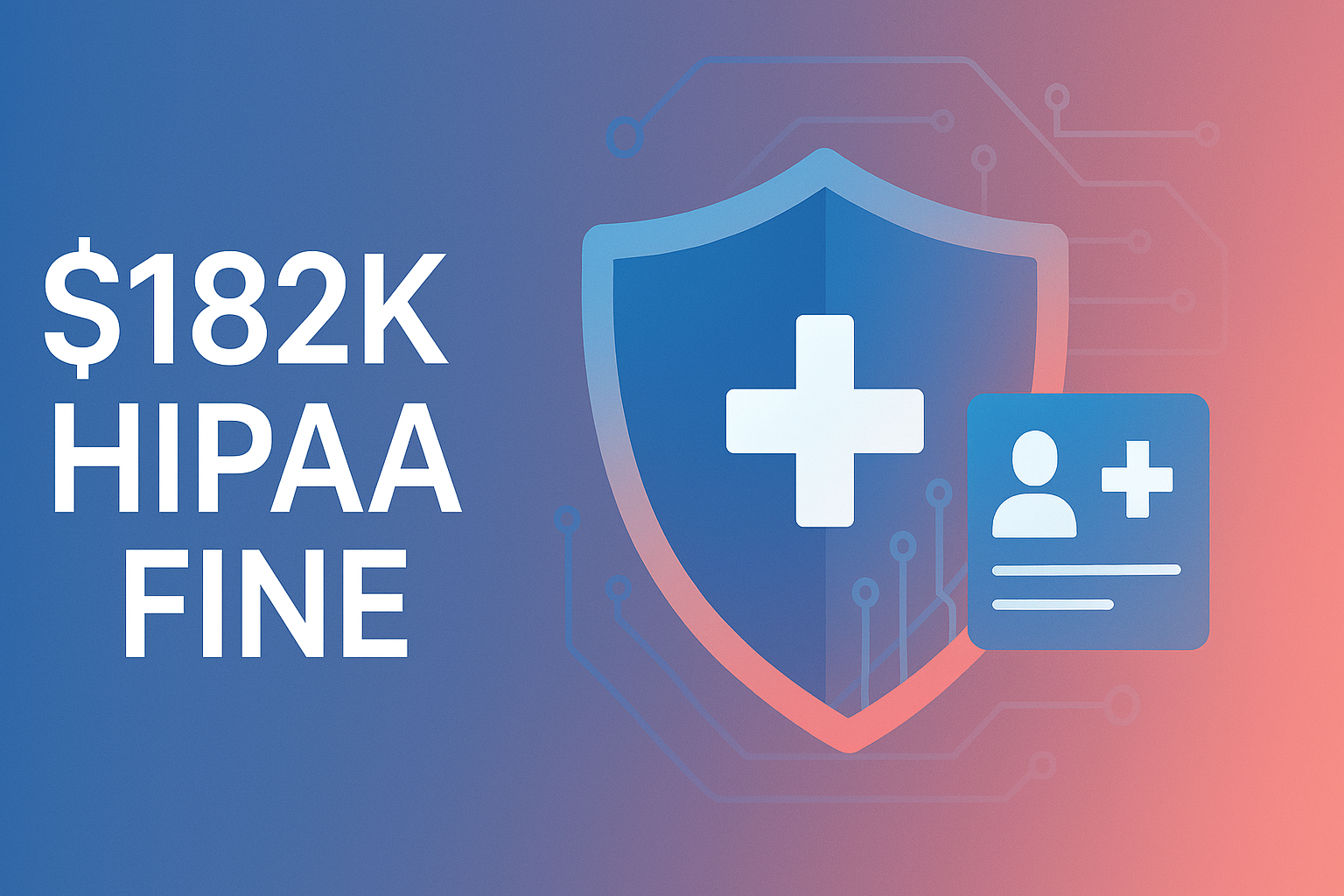
- Regulatory Penalties: Data breaches can trigger fines under laws like GDPR or state privacy regulations.
- Business Closure: According to studies, a significant percentage of small businesses close within six months of a major cyber incident.
How Small Businesses Can Strengthen Cybersecurity
While small businesses may lack the resources of large corporations, they can still take powerful steps to reduce risks.
- Invest in Basic Cybersecurity Tools
Firewalls, endpoint protection, intrusion detection, and regular system updates provide a strong foundation. - Educate Employees
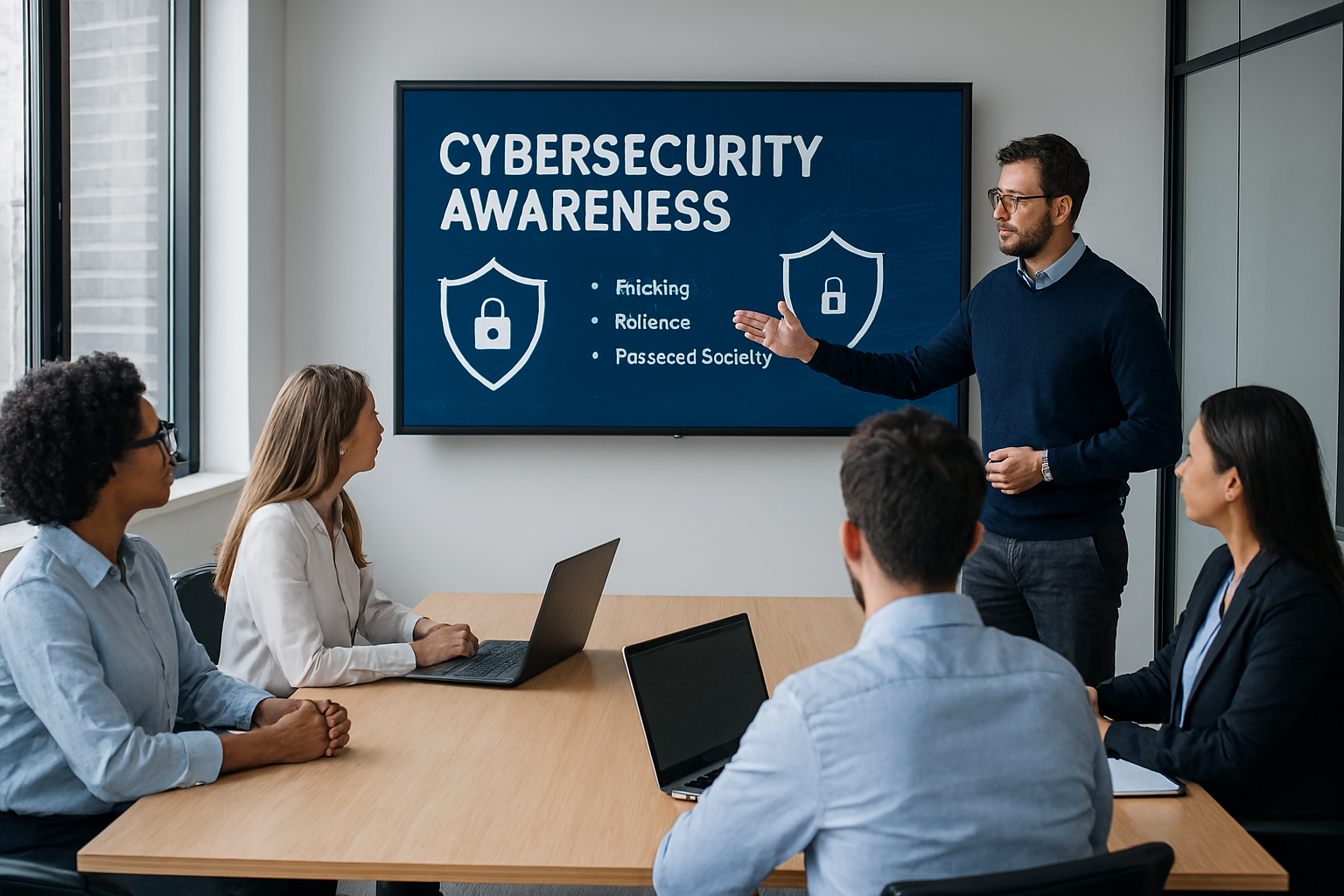
Train staff to recognize phishing attempts, use strong passwords, and report suspicious activity. Human error is often the weakest link. - Use Multi-Factor Authentication (MFA)
Requiring an extra layer of verification makes it harder for attackers to compromise accounts. - Backup Data Regularly
Maintain secure, offsite backups to restore systems quickly in the event of a ransomware attack. - Limit Access Rights
Ensure employees only have access to the data and systems necessary for their roles. - Partner with Cybersecurity Experts
Managed security service providers (MSSPs) can deliver affordable, professional protection tailored to small businesses.
Why Cybersecurity Must Be a Priority for Small Businesses
The digital landscape is evolving rapidly. Remote work, cloud adoption, and e-commerce have expanded the attack surface. Small businesses are prime targets for cyber attacks because attackers know that many are unprepared.
Prioritizing cybersecurity is no longer optional. It is essential for protecting customers, sustaining operations, and maintaining long-term trust.
Conclusion
The question is not whether a cybercriminal will target your company, but when. Small businesses are prime targets for cyber attacks because of their limited defenses, valuable data, and role in larger supply chains.
By investing in security measures, educating employees, and building a culture of cybersecurity, small businesses can significantly reduce their risk. Protecting your business today ensures resilience and growth tomorrow.
Comments are closed