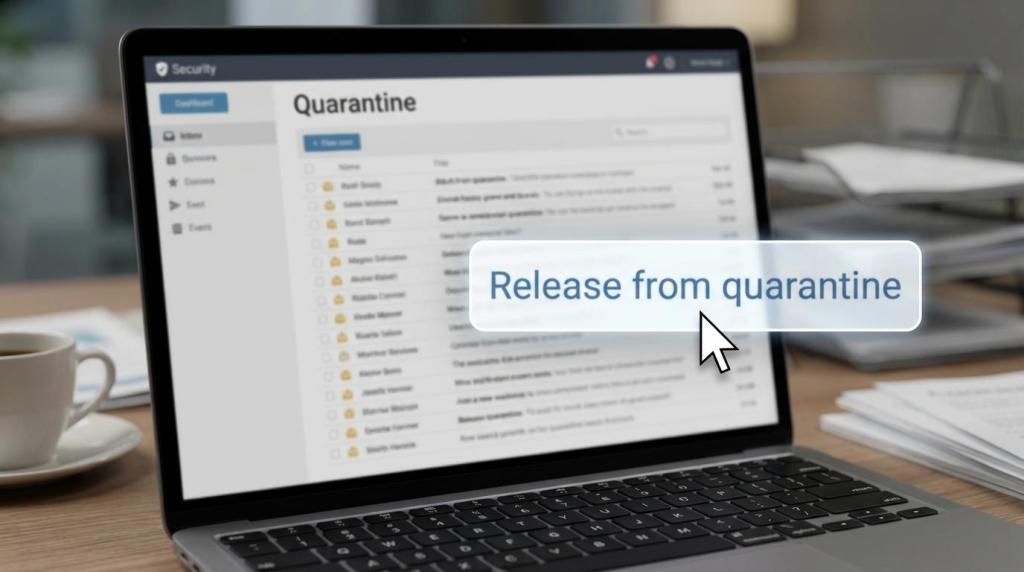
Microsoft Defender for Office 365: Baseline Configurat…
HIPAA‑Compliant Telehealth Setup: Network, Encryptio…

Microsoft 365 Backup Solutions in Sacramento: Avoiding…

24/7 SOC Monitoring for Healthcare Practices in Sacram…

Healthcare practices in Sacramento carry a unique blend of risk: high-value patient data, busy front desks, clinicians moving fast, third-party vendors touching systems, and medical devices that cannot always be patched on a normal IT schedule. Attackers know that downtime threatens patient care, which is why healthcare remains a favored target for ransomware and credential theft.
Log Retention for HIPAA and Security: What to Keep and…

Windows Recovery Tools: How to Fix and Restore Your PC…
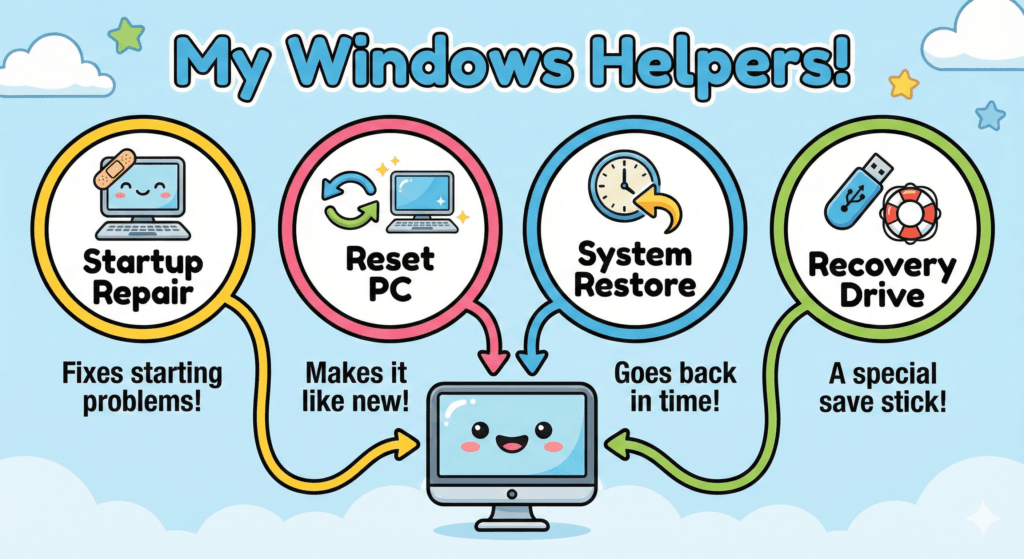
Windows recovery tools help you repair, reset, or restore your computer when Windows won’t start or is acting strange. This guide explains each tool in simple terms so anyone can use them with confidence.
The Easy Guide to Setting Up DNS for Your Business Web…
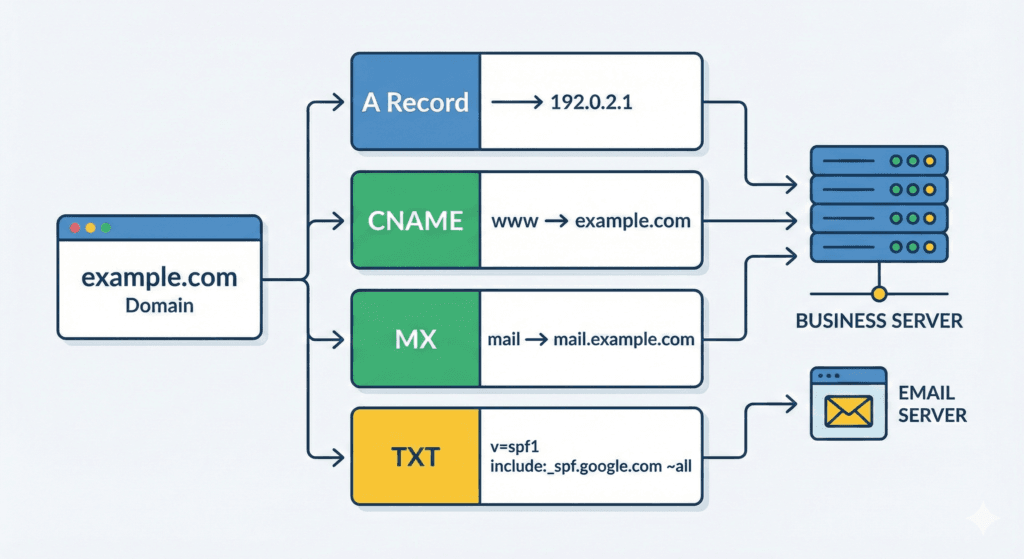
Confused about DNS? This simple guide explains how to set up DNS for your business website, manage records, secure your site, and ensure emails arrive—without tech headaches.
How to Implement Guest Wi-Fi Segmentation in Medical…
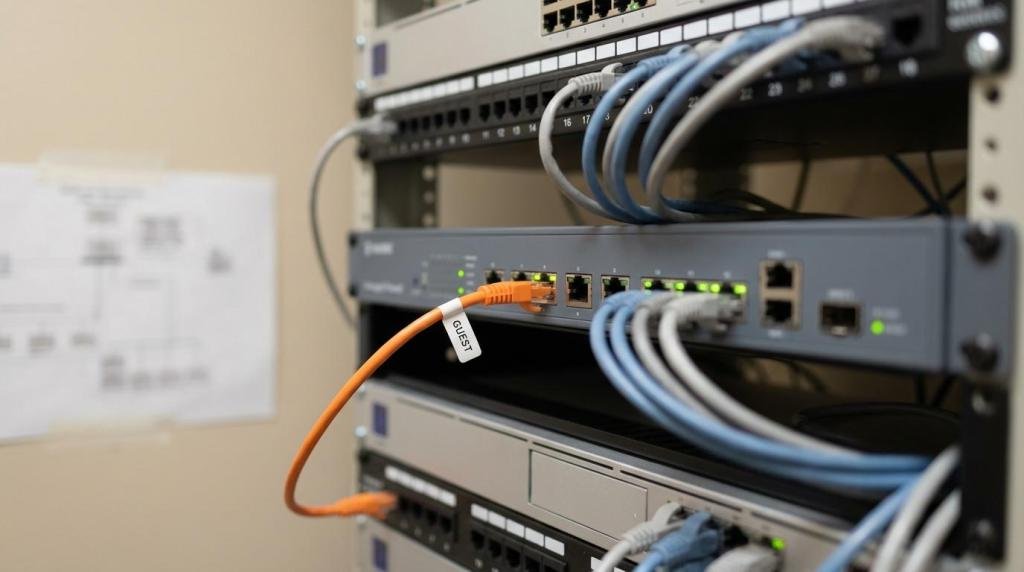
A medical office guest Wi-Fi sounds simple: give patients and visitors internet access while they wait. The risk is that “simple” networks often end up sharing switches, subnets, or firewall rules with systems that matter, like EHR workstations, imaging, VoIP, or medical devices.
Microsoft 365 and Outlook Experience Widespread Outage…
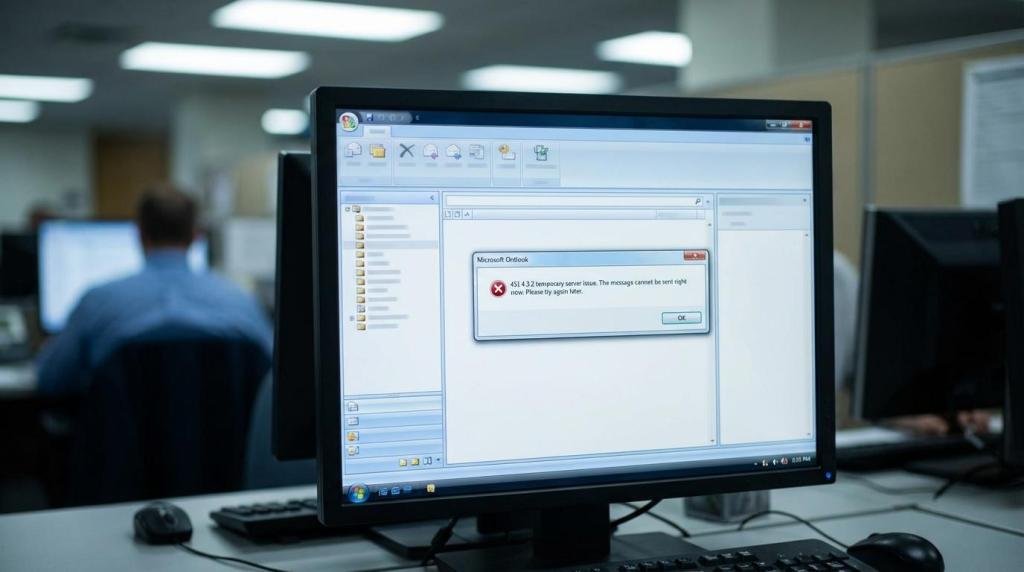
Medical Device Security Basics: Protecting Patient Data
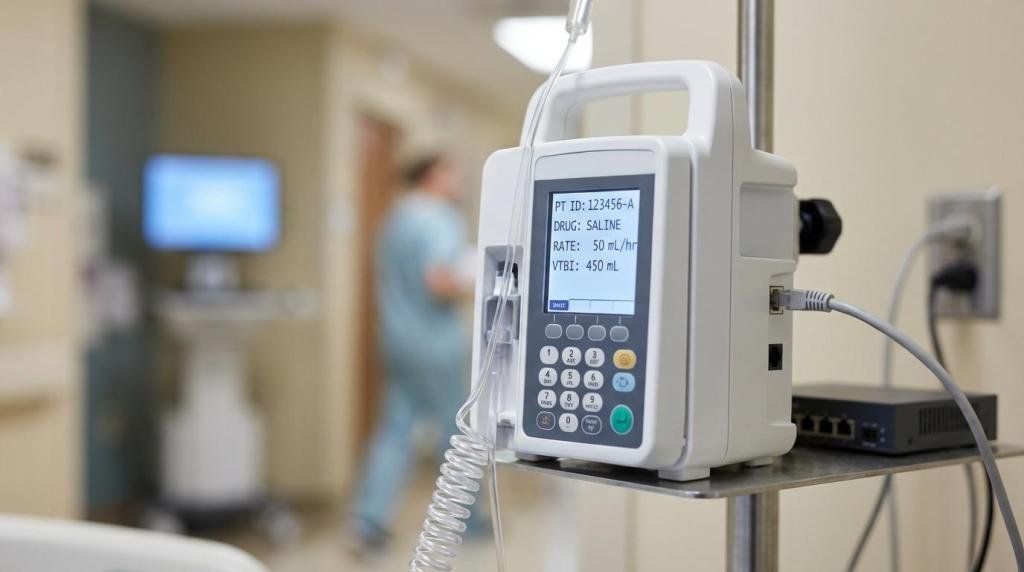
Network-connected medical devices sit at an uncomfortable intersection: they are computers on your network, they touch protected health information (PHI), and they support patient care where downtime is not just inconvenient, it can be dangerous.
For small to mid-sized healthcare organizations around Sacramento and Elk Grove, the challenge is rarely a lack of concern. It is the reality of mixed vendor ecosystems, long device lifecycles, and limited maintenance windows. The good news is that a strong baseline goes a long way when it is built around risk and clinical workflow, not generic IT assumptions.