
How the ClickFix Malware Campaign Uses Fake CAPTCHAs to Spread Malware

The ClickFix malware campaign is growing in 2025. It uses fake CAPTCHA prompts and tricks users into pasting dangerous commands. This leads to stolen data and remote access tools installed on computers and phones.
How to Stay Safe from AI Hallucinations: A Guide for Elk Grove Residents

AI hallucinations can lead to misinformation and risks in decision-making. Learn how Elk Grove residents can protect themselves with practical tips for using AI responsibly.
Top 10 Common AI Scams and How to Avoid Them

AI scams are becoming more common as technology advances. Learn the 10 most popular AI scam types and how to spot them before you become a victim.
5G Health Concerns: What Science Says About Radiation Risks – 5g Health Risks

As 5G networks expand across the globe, concerns about potential health risks continue to circulate. This blog explores what current science says about the safety of 5G radiation and whether it poses real threats to public health.
The Rise of Shadow Wars: Cyberattacks and Disinformation as Modern Weapons

Cyberattacks and disinformation campaigns are no longer isolated incidents. They are strategic tools in today’s shadow wars, changing the landscape of modern conflict.
Apple Releases iOS 18.6 With Urgent Security Fixes – Why You Should Update Now – Ios 18.6 Security Update

Apple’s latest iOS 18.6 security update addresses multiple high-risk vulnerabilities. Here’s why you should update your iPhone now and what the update includes.
AI-Driven Trends Shaping the Future of Endpoint Security – Ai In Endpoint Security

Discover how AI is transforming endpoint security through behavioral detection, threat prediction, and faster incident response. Learn what trends are redefining protection strategies for modern enterprises.
How Organized Crime Groups Are Using AI to Their Advantage – Ai In Organized Crime

Criminal networks are now adopting advanced AI tools to expand their illegal operations. From deepfakes to data breaches, the threat landscape is changing rapidly.
Hackers Use Facebook Ads to Spread JSCEAL Malware Through Fake Crypto Apps – Facebook Ads Malware Jsceal

Cybercriminals have launched a widespread malvertising campaign using Facebook ads that impersonate legitimate cryptocurrency trading apps. Victims are lured into downloading JSCEAL malware—a malicious JavaScript-based payload capable of harvesting login credentials and cryptocurrency wallet data.
Watch Out for the “How Are You?” Scam Message: What You Need to Know – How Are You Scam Message
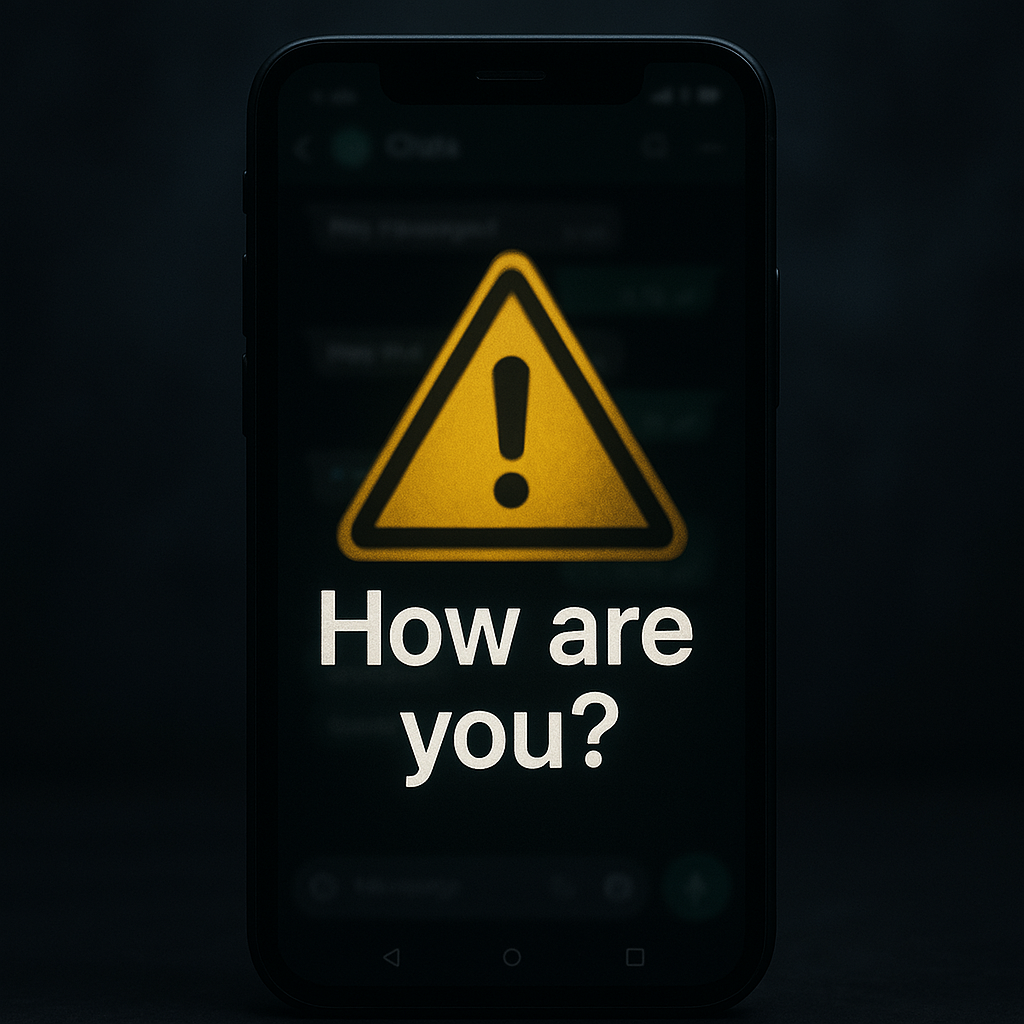
Cybercriminals are using simple messages like “How are you?” to trick people into clicking harmful links. Learn how this scam works and how to stay safe online.